How to Meal Plan Like a European (No Matter Where You Live)
Meal planning shouldn’t feel like a chore. This European-inspired system shows how to shop smarter, cook flexibly, and enjoy dinner again.

Note: The links in this post may be affiliate links.
Meal planning doesn’t need to feel like a second job. In many European homes, it’s just part of daily life.
Simple. Steady. Low-stress.
There’s no big strategy and no stack of prepped containers. Just good food, fresh ingredients, and practical routines that keep dinner manageable.
This approach works because it’s built for real life. You don’t have to guess what you’ll want to eat five days from now. You don’t need a full calendar of recipes. You shop for what you’ll use, cook what you have, and stay flexible.
If dinner keeps feeling like a drain, with too many decisions, too much waste, and not enough payoff, this is worth trying.
You’ll spend less time planning, waste less food, and actually look forward to cooking again.
This isn’t about skipping recipes. Use the ones you already love. Just plug them into a smarter system.
Here’s how to meal plan like a European, no matter where you live.
1. Shop Twice a Week
Why It Works:
Shopping twice a week keeps ingredients fresh, reduces waste, and allows for flexibility when schedules change
How To Do It:
- Trip 1 (start of the week): Focus on fresh produce, proteins, dairy, bread, and a few pantry refills.
- Trip 2 (midweek): Restock produce, pick up anything you ran out of, and adjust based on what you’ve already cooked or what’s left.
You don’t have to shop in person to make this happen. Many people use grocery delivery to do this: one main order early in the week and a quick restock order midweek. It takes five minutes, saves a trip, and still gives you the same flexibility. If you’re curious how to make delivery work without overbuying or missing what you need, check out this article on using grocery delivery to simplify meal planning.
Example:
On Monday, you buy chicken thighs, zucchini, potatoes, and greens. By Thursday, you’ve used most of it. A quick trip to restock greens and grab a block of feta gives you options for a grain bowl or roasted veggie salad.
what to avoid
Don’t treat the second trip like a full reset. Just fill in what’s missing.

2. Use a 5-Meal Framework
Why It Works:
Planning every detail adds pressure. A flexible framework gives structure without locking you in.
How To Do It:
Choose five meal “types” to rotate through. You can use the same categories every week or swap them seasonally.
Example Structure:
- Pasta or grain bowl
- Soup and bread
- Eggs and something green
- Roasted meat and vegetables
- Pantry dinner or leftovers
How to Plug In Recipes:
Pick from your saved recipes for each category. Or, check out our favorite simple weeknight meals here. Add just enough structure to reduce the 5 p.m. scramble, not add more rules.
What to avoid
Don’t overcomplicate it by assigning meals to exact days unless that genuinely helps you.
3. Build a Reliable Pantry Core
Why It Works:
When you have a small set of ingredients you always keep stocked, you can build dinner without starting from zero.
What to Keep on hand
- Dry goods: pasta, rice, couscous, canned tomatoes, canned beans, broth, oats
- Oils and acids: olive oil, vinegar, mustard
- Flavor basics: garlic, onions, lemon, chili flakes, salt, pepper
- Add-ons: canned tuna, capers, Parmesan, frozen peas, jarred pesto or marinara
How To Do It:
Pair one fresh protein or vegetable with one or two pantry staples. That’s dinner.
Examples:
- Shred leftover roast chicken, toss with warm couscous, add a spoonful of jarred pesto, crumbled feta, and chopped baby spinach. Serve warm or cold.
- Toss cooked pasta with a can of white beans, olive oil, lemon juice, and grated Parmesan. Add arugula or chopped spinach and finish with black pepper and chili flakes.
What to avoid
Don’t stock more than you’ll realistically use. Too much creates clutter and decision fatigue.
4. Let Ingredients Drive the Plan
Why It Works:
You buy what’s fresh or on sale, then plan around it. This keeps costs down and ingredients from going bad.
How To Do It:
- Before you make a list, check your fridge for what needs to be used up.
- Shop produce-first. Let what looks good guide the meals.
- Buy one or two proteins per shop, max. Too many options get wasted.
Example:
You find a good deal on pork chops and apples. Plan roasted pork with apples and onions one night, then slice leftovers into a grain salad the next.
What to avoid
Don’t plan your week around exact recipes until you know what ingredients you’re starting with.
5. Repeat Meals Strategically
Why It Works:
Repeating meals saves time, reduces effort, and avoids decision fatigue. It’s not boring—it’s efficient.
How To Do It:
- Cook once, eat twice. Repeat the same meal later in the week or repurpose the components.
- Make double portions of proteins, soups, grains, or roasted veg.
- Serve the same base in different ways. Grain bowls, wraps, salads, soups—same ingredients, new format.
Examples:
- Roast chicken on Monday. Use leftovers for soup or wraps on Wednesday.
- Make a big batch of soup. Eat half now, freeze the rest.
- Cook extra rice with Monday’s meal. Use it on Friday in a stir-fry or rice bowl.
What to avoid
Don’t force variety just to avoid repeats. That mindset leads to more cooking and more waste.
6. Prep Ingredients, Not Full Meals
Why It Works:
Meal prepping full meals is rigid and often leads to food waste. Prepping ingredients gives you flexibility while still saving time.
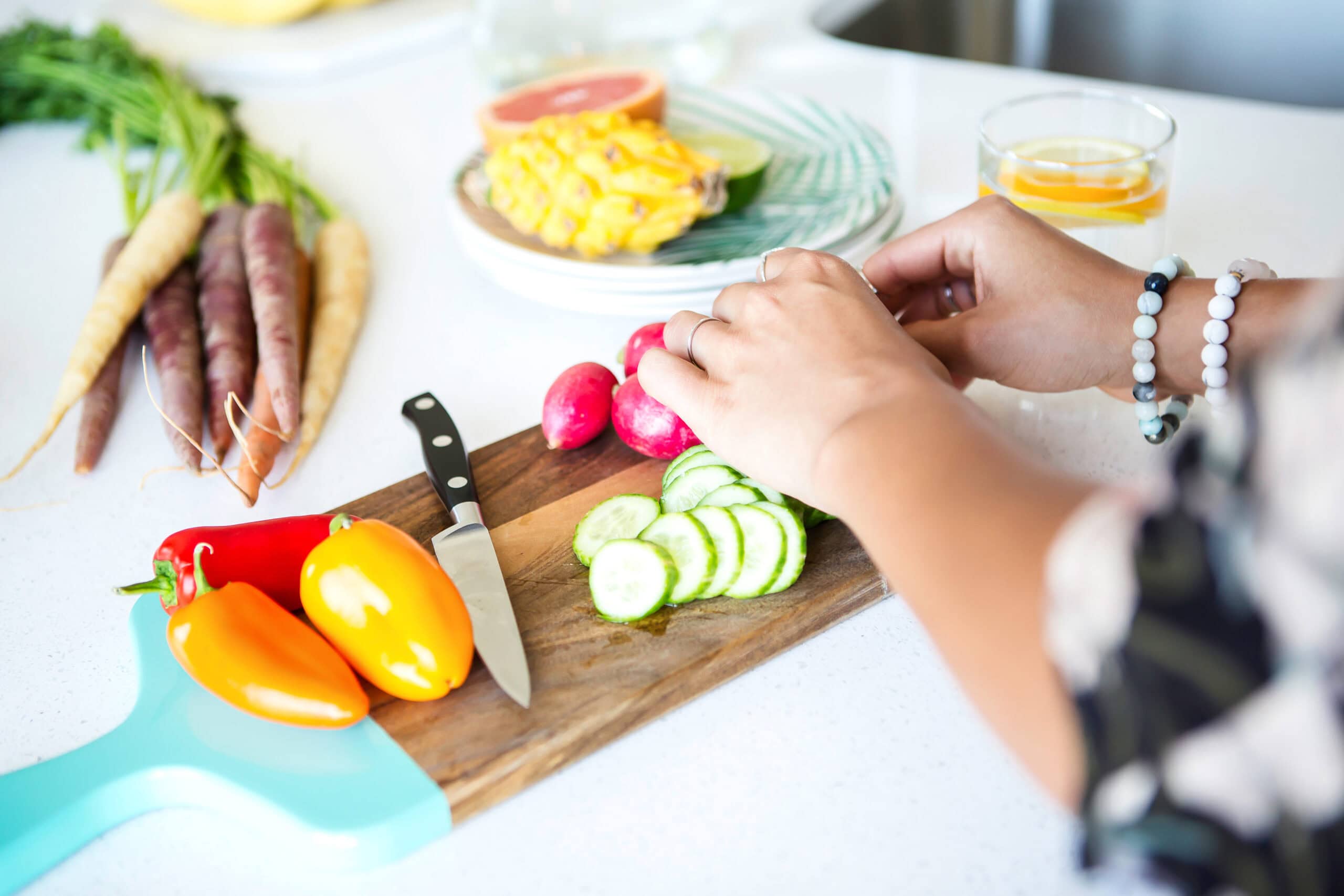
What to Prep:
- Wash and chop produce (carrots, onions, bell peppers, greens)
- Cook a batch of grains (rice, farro, couscous)
- Hard-boil eggs
- Make a sauce or dressing
- Roast a tray of vegetables
How To Do It:
- Prepped greens go into omelets, sandwiches, or soups
- Roasted veggies can be reheated or eaten cold
- Grain bowls come together faster with everything ready
What to avoid
Don’t over-prep. Start with one or two items and build the habit.
7. Use Recipes Wisely
Why It Works:
Recipes are helpful, but planning your week around new ones adds pressure. A mix of familiar and new is more realistic.
How to Do It:
- Choose one or two new recipes to try each week. Let the rest be easy repeats.
- Organize your recipes in a way that works best for you, so you can always find what you’re looking for.
- When something works, repeat it often. Most home kitchens run on 10 to 12 core meals.
What to avoid
Don’t build your plan around too many recipes that require special ingredients or complicated prep.
8. Build a System That Works for You
If You Like Lists:
Use a meal planning notepad, dry-erase board, or app. Just keep it simple and flexible.
If You Hate Lists:
Use a formula instead. Shop for a few proteins and vegetables, then decide on meals day-by-day.
If You’re Tight on Time:
Choose the same five dinners every week for a month. Change it next month. Most people don’t need as much variety as they think.

You Can Meal Plan Like a European From Anywhere
European-style meal planning works because it’s realistic, repeatable, and efficient. It helps you cook more with less stress and less waste. You don’t need to overhaul your kitchen or start from scratch.
You already have recipes you like. This just gives you a system to use them without burnout.
Start with two grocery trips. Choose five meal types. Keep your pantry tight. Repeat what works.
That’s enough to change how dinner feels this week.