How to Shop Like a European—With Grocery Delivery
Grocery shopping shouldn’t take over your week. If you’ve tried batch cooking, detailed meal plans, or keeping a packed pantry, but still find yourself scrambling at dinner, you’re not the problem. The system is.
Note: The links in this post may be affiliate links.
Grocery shopping shouldn’t take over your week. If you’ve tried batch cooking, detailed meal plans, or keeping a packed pantry, but still find yourself scrambling at dinner, you’re not the problem. The system is.
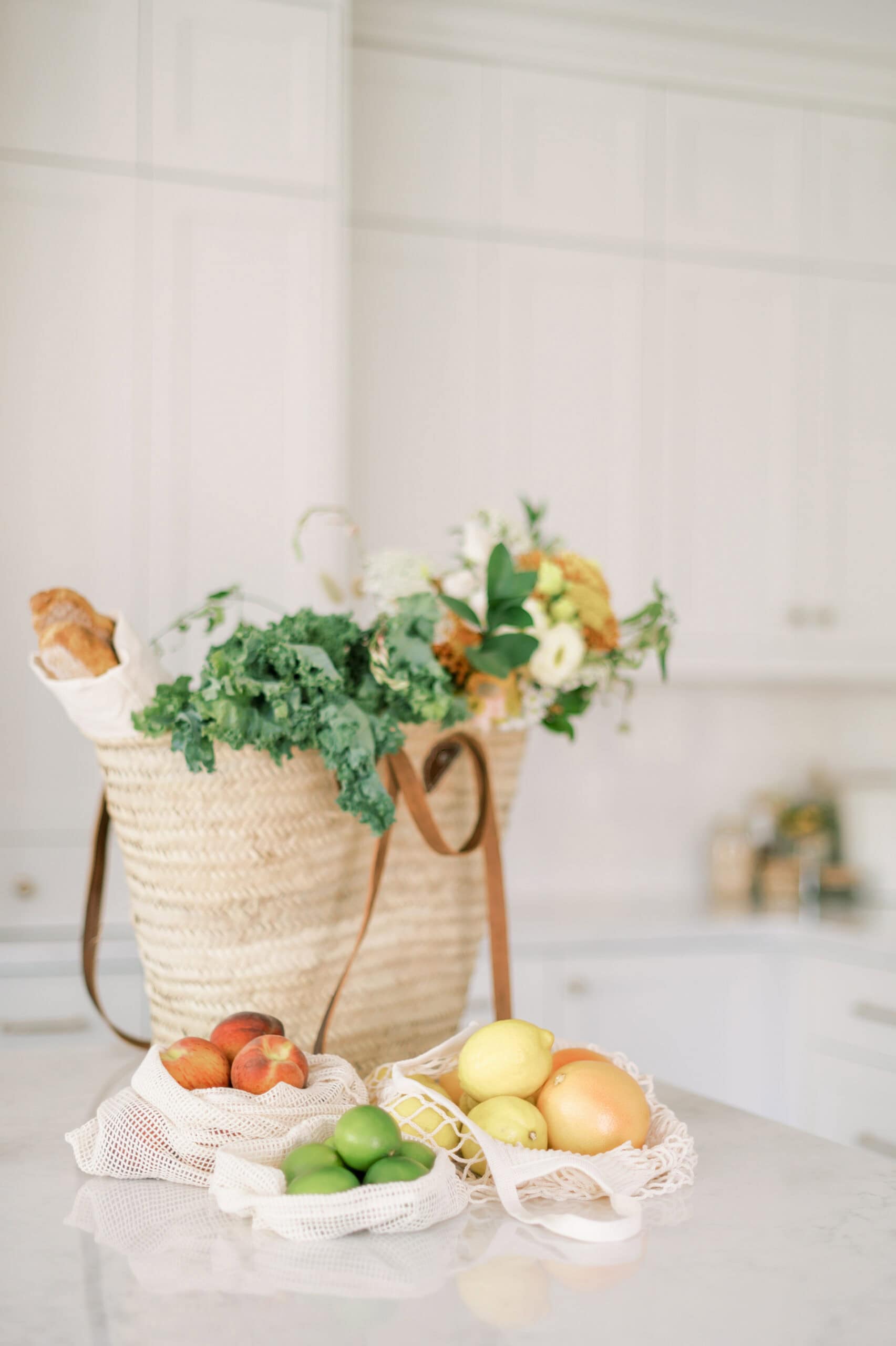
In many European homes, grocery shopping is simple. Two small trips a week. A short list based on what’s fresh. Dinner is built around what’s already on hand. It’s not about being fancy or traditional. It’s just a smarter way to keep meals doable.
That meal planning style can make a big difference, especially when you’re already managing a lot. And if that idea already sounds familiar, you’ve probably started shifting how you plan meals.
Now it’s just about making grocery delivery fit the same way.
Why Grocery Delivery Works
Delivery makes shopping easier to manage. No driving across town. No standing in line after a long day. Just a few clicks and the essentials show up at your door.
It can also help you avoid the extras that often sneak into the cart when shopping in person. Less impulse buying means less clutter in the pantry and fewer ingredients get wasted.
You can order groceries at any time, early morning, during a lunch break, or from the couch at night. That kind of flexibility works well when your days are already full.
For many people, this is the easiest way to keep fresh food in the house without adding another errand to the week. It supports the kind of meal planning that actually works: short lists, fresh ingredients, and meals you want to eat.
How to Do “European-Style” Delivery Shopping
1. Treat Delivery Like Your “Two-Shops” In European-Inspired Meal Planning
Do one delivery early in the week for fresh produce, proteins, dairy, bread, and staples. Use a second, smaller delivery mid-week for restocks like greens, eggs, milk, and anything you ran out of.
That lets you keep ingredients fresh. It lets you respond to what you actually used. And it keeps waste down.
Tip: Keep a short “running list” (on your phone, or in a notes app) throughout the week. Add items as you notice they’re low or gone. Then slip them into your mid-week delivery.
2. Build Your List Around What You’re Most Likely to Use
Before you shop, think: “What am I most likely to cook this week?”
Then fill your delivery order with what you need for those meals, plus staples. This gives enough structure to keep dinner simple, but not so much that you feel locked in.
If you already have favorite recipes saved, plug them in when you shop. It makes it easier to use what you have without overbuying or guessing.
3. Keep Staples Handy and Visible
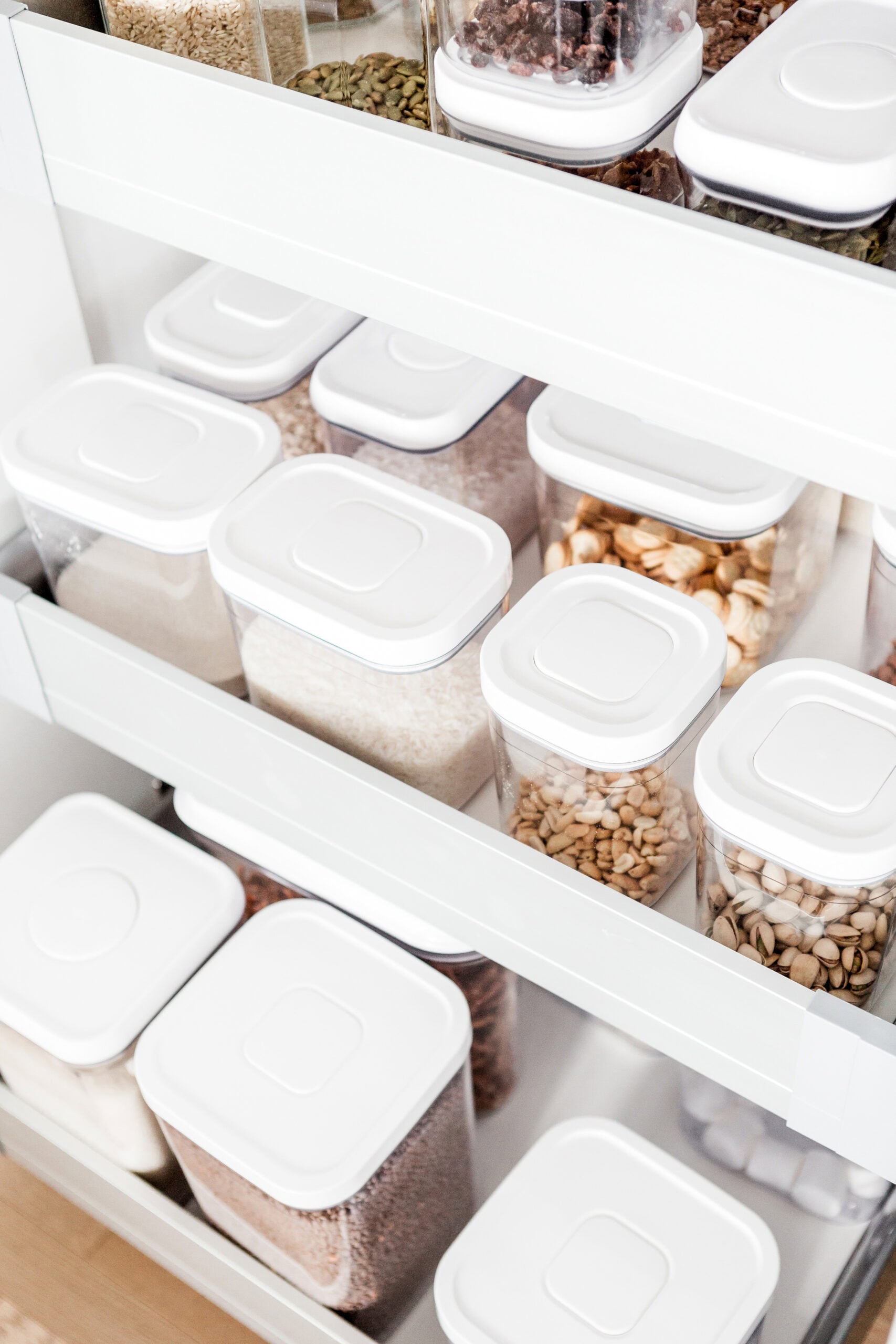
When ordering groceries for delivery, make sure your order includes a core set of pantry basics. Things like pasta or rice, canned tomatoes or beans, olive oil or vinegar, and some basic seasonings.
With a lean pantry core, you can build dozens of meals on top of whatever fresh stuff you order. Delivery ensures you don’t overstock. You only get what you need.
4. Let Fresh Deals Drive Your Order
When you browse your grocery‑delivery app or site, don’t load up on everything you might need. Instead: start with what’s fresh, seasonal, or on sale.
Maybe you see chicken thighs on sale. Maybe there’s a good deal on Brussels sprouts. Use those picks as the foundation for the week. Then build meals around them.
That’s the way many European kitchens work, by buying around what’s available, not what the plan says.
5. Repeat Meals on Purpose
Delivery makes it easy to plan ahead and cook once for multiple meals. When you order ingredients that can stretch across a few dinners, you save time, effort, and food.
Here’s How it Looks:
Order chicken, rice, and your choice of veggies. One night, roast the chicken with vegetables and serve it with rice. The next night, turn the leftovers into a grain bowl with chopped greens and a quick vinaigrette.
It’s not about eating the same thing on repeat. It’s about using what you already cooked in a way that still feels fresh.
6. Order Ingredients, Not Extravagance
Delivery makes it easy to order whatever catches your eye. That can be a risk. To keep things European‑simple: only order ingredients that fit your plan and your pantry. Avoid impulse buys just because they’re there.
7. Be Strategic About Timing and Cost
If you’re using grocery delivery, check for the best delivery windows. Some time slots may have lower fees or better availability. Midweek orders often work well since stores tend to be restocked, and it’s a good time to grab anything you’ve run out of.
If you pay a fee each time you order, try to stick to two grocery runs per week: one delivery at the start of the week and a second restock a few days later. That second one can be another quick delivery or a fast stop into the store if you’re already out. Keeping it to just two trips helps control costs and keeps things simple.
If you use a service often, check whether they offer a membership or discount plan that might save money over time.
What Delivery Makes Easier, And What to Watch Out For
What Makes it Easier:
- No hauling heavy bags. Especially useful if grocery stores are far or you rely on public transit.
- No hauling groceries in bad weather or winter months.
- It’s easier to shop when you actually have time, not when stores are crowded or when you’re running errands.
- Fewer impulse buys or extras crowding your pantry.
What to Watch Out For:
- Sometimes delivery prices or fees are higher than in-store.
- Not all produce may be as good as what you pick yourself. Use substitutions wisely if something is out of stock and avoid overcompensating with things you don’t actually need.
- It’s easy to over-order when you see “everything available.” Stick to your list or meal plan.
Example Week: Grocery Deliver & Simple Meal Plan
Here’s what a week might look like when you combine grocery delivery with a European-style meal plan that actually works.
Sunday Delivery
- Fresh produce – mixed greens, zucchini, carrots, lemons
- Proteins – chicken thighs, ground beef, eggs, chicken sausage
- Dairy – milk, Parmesan, feta, yogurt sauce
- Pantry basics – canned tomatoes, pasta, rice, canned beans, tomato sauce
- Frozen staples – peas, naan, stir-fry mix
Thursday Mini-Delivery
- Fresh greens
- Milk
- Eggs
- Bread or pita
- Any staples you’ve used up or forgotten
This small restock keeps things flexible for the weekend and helps you use what you already have.
Result: no food waste, no last-minute takeout, and no need to start from scratch every night
Monday
Pasta with sautéed zucchini and chicken sausage in tomato sauce, topped with Parmesan.
Tuesday
Rice bowls with lemony roasted chicken thighs, carrots, and greens. Add feta and a drizzle of olive oil. Bonus if you’ve got olives or jarred peppers on hand.
Wednesday
Beef and vegetable stir-fry over rice, using any mix of fresh or frozen veggies. Season with soy sauce, garlic, and a splash of vinegar or sesame oil.
Thursday
Naan flatbreads with spiced ground beef, greens, and yogurt sauce. Add chopped tomatoes or cucumbers if you have them. Serve with roasted carrots or a quick salad.
Friday
Pantry pasta with frozen peas, Parmesan, lemon zest, and black pepper. Add a fried egg on top, or leftover protein if you want it to be more filling.
Why This Approach Helps
- You buy only what you need, when you need it. That means less food sitting unused and more meals that actually get made and eaten.
- It keeps things flexible. If plans change, you can shift meals around without wasting food or scrapping the whole plan.
- It saves time and energy. Grocery delivery takes one more errand off your plate, and planning by meal type instead of exact recipes keeps things simple.
- It helps you spend more wisely. You’re more likely to use what’s in season, what’s on sale, or what’s already in your kitchen, instead of adding more to the pile.
A Few Tips to Make It Work Smoothly
- Keep a running list (notes app or paper) that’s always with you. Update it when food runs low or when something catches your eye. That makes mid-week delivery easy.
- Order perishable items first, like proteins, produce, dairy. Then add pantry basics and frozen goods. That cuts down on wasted space and overbuying.
- Limit delivery orders to two per week. More than that, and you might pay too much in fees or end up with excess.
- Stick to a simple meal framework and rotate favorites. Use delivery to support that, not expand it into something complicated.
- When something is out of stock, pick a substitution that fits your meal plan or skip it rather than over-ordering.
Shopping Like a European With Grocery Delivery
Grocery delivery doesn’t replace smart meal planning, but it can make it easier. You don’t have to drive to the store, carry heavy bags, or wander aisles deciding what to grab. You can shop from home, stay focused, and get fresh food on your schedule.
If you’ve already got a simple meal framework and a lean pantry style, delivery becomes a tool and not a distraction. It supports the kind of home cooking that feeds you well, keeps waste down, and fits your life.
Try this for a week. Do one bigger delivery at the start, and a small refill midweek. Let meal types guide your plan. Use what’s fresh or on sale. Then cook, simply, cleanly, and see if dinner gets easier.
If this works for you, it could change how your grocery days look for the better.