How to Create a Weekly Cleaning Routine That Actually Works
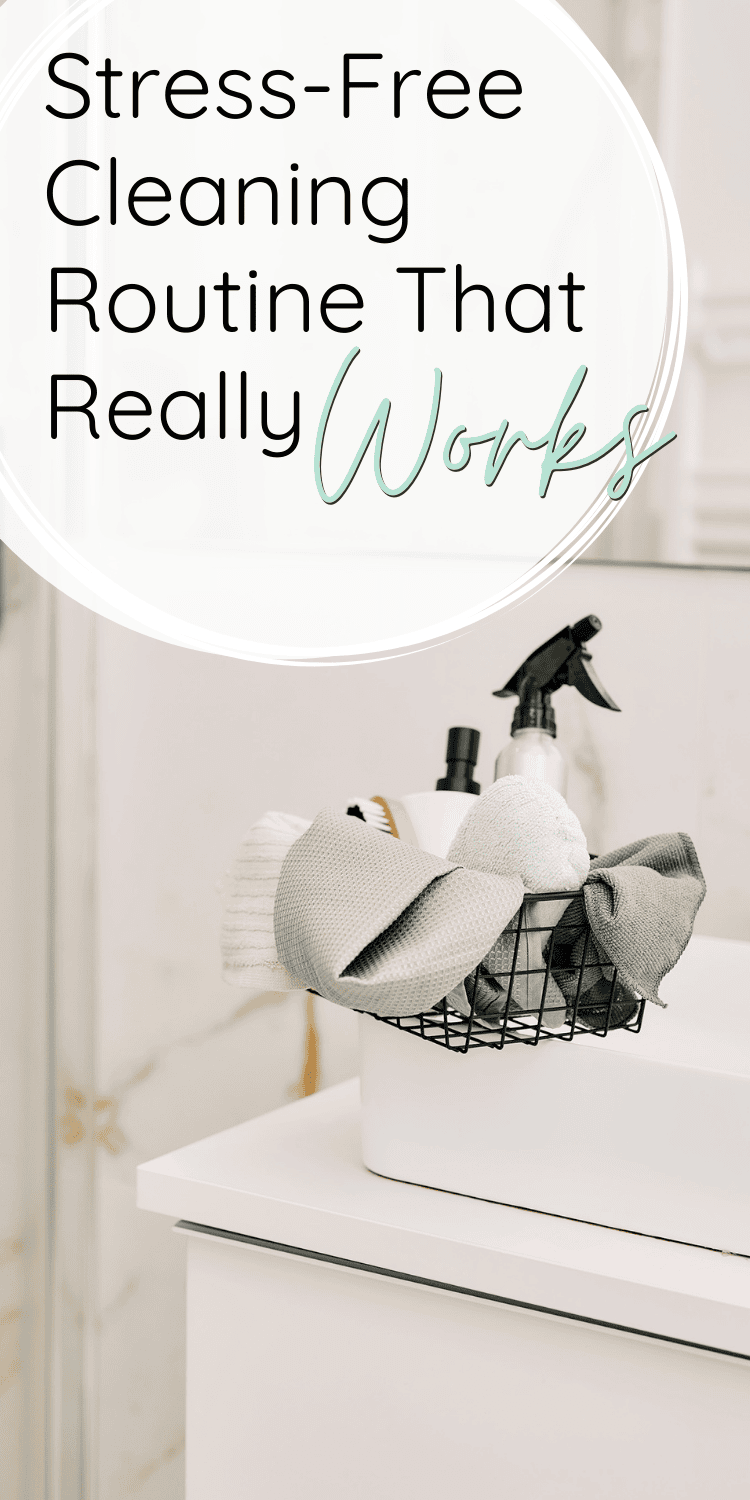
Discover the secret to a stress-free cleaning routine! With these tips and tricks, you can organize your cleaning tasks and enjoy a tidy home effortlessly. Ideal for anyone who loves clean and cozy vibes!

Note: The links in this post may be affiliate links.
Keeping your home clean and organized doesn’t have to feel like a never-ending chore.
With a well-thought-out weekly cleaning routine, you can tackle your cleaning tasks efficiently and enjoy a home that feels cozy, fresh and inviting all week long.
The secret is to create a routine that fits your lifestyle, prioritizes your most-used spaces, and doesn’t take up hours of your valuable time.
Here’s everything you need to know to design a weekly cleaning routine that’s realistic, effective, and easy to stick to:
1. Assess Your Cleaning Needs
Each home is different, and your cleaning routine should reflect your unique space and lifestyle.
How to Do It
Walk through your home and make a list of cleaning tasks you need to tackle for each room.
Pay attention to high-traffic areas, like the kitchen and living room, that will most likely require more frequent attention.
Take note of less-used spaces, like guest rooms or storage areas, that might only need occasional cleaning. If they are not being used regularly, a weekly dusting and vacuuming might be all they need.
Why It Works
Understanding your cleaning needs helps you prioritize tasks and avoid wasting time on areas that don’t need daily attention.
2. Divide Tasks by Frequency
Not every cleaning task in your home needs to be done every day or even every week.
By categorizing tasks based on how often they need attention, you can create a routine that feels manageable to you.
How to Do It
Divide your tasks into daily, weekly, and monthly categories. For example:
- Daily – Dishes, wiping kitchen counters, making beds.
- Weekly – Vacuuming, mopping, dusting, cleaning bathrooms.
- Monthly – Deep-cleaning appliances, washing windows, organizing closets.
Why It Works
Focusing on what truly needs to be done each week prevents burnout and keeps your home consistently clean.
3. Assign Specific Tasks to Specific Days
Breaking your weekly cleaning tasks into smaller chunks and assigning them to specific days makes the routine feel less overwhelming.
How to Do It
The key is to create a cleaning schedule that works for you and your lifestyle. For example:
- Monday – Dust and vacuum the living room and bedrooms.
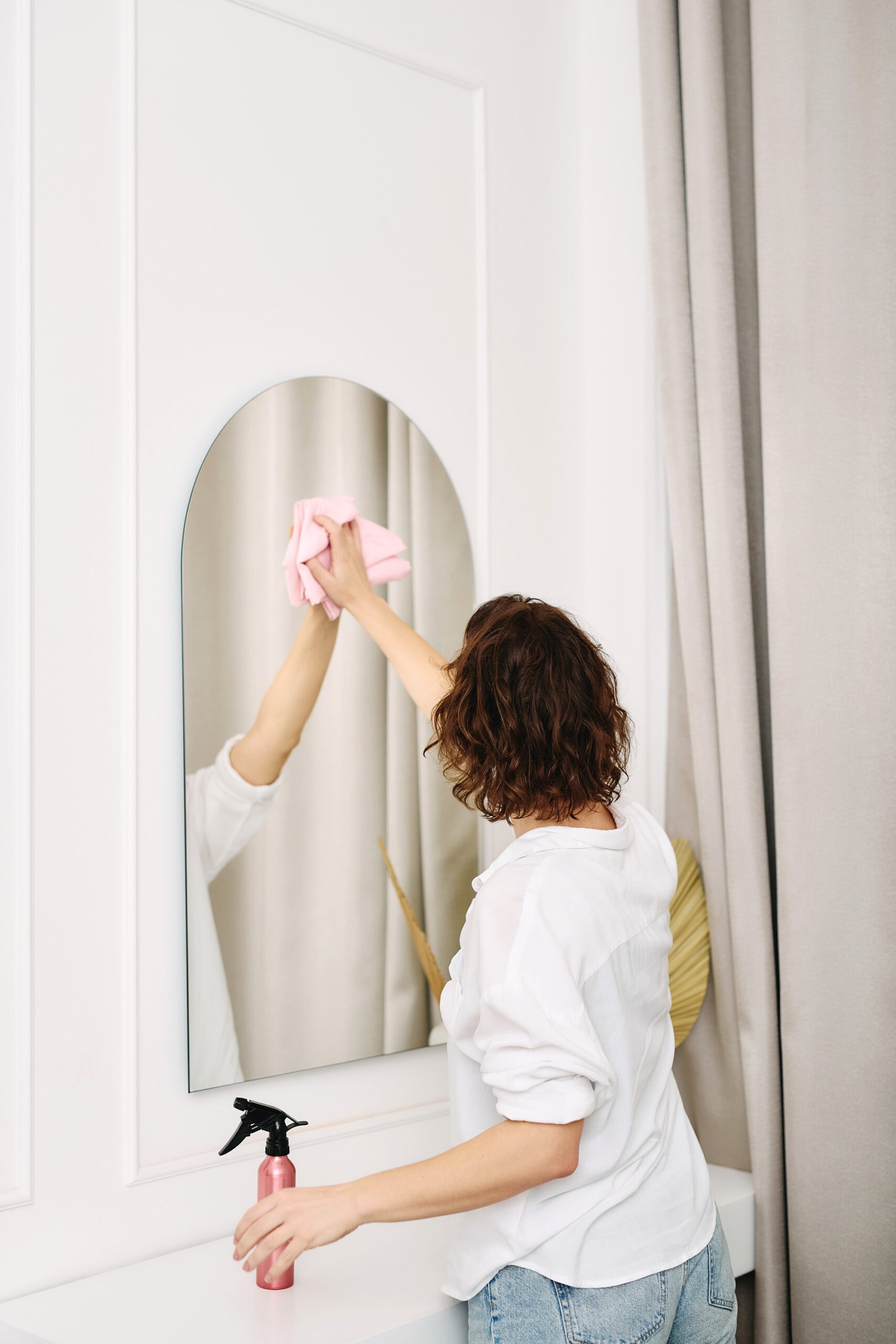
- Tuesday – Clean the bathrooms (toilets, sinks, mirrors, and floors).
- Wednesday – Wipe down kitchen surfaces, clean appliances, and mop the floor.
- Thursday – Laundry Day and freshen up linens.
- Friday – Tidy the entryway, wipe down the windows, and declutter.
- Saturday – Catch up on any missed tasks or tackle a monthly chore.
Why It Works
Spreading out your tasks across the week avoids the need for a marathon cleaning session on your day off, making the routine more sustainable.
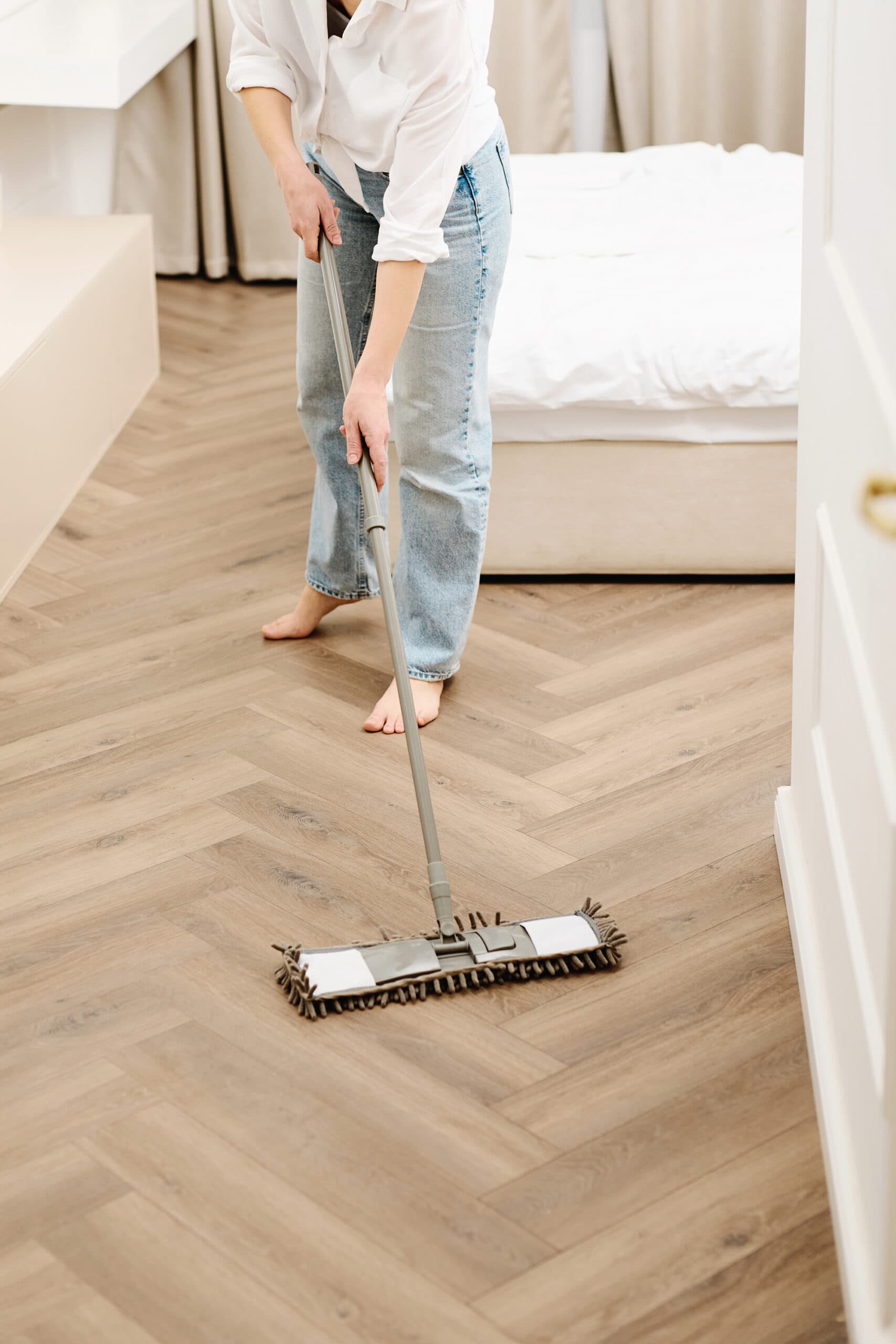
4. Keep Cleaning Supplies Accessible
Having the right tools on hand makes cleaning faster and easier, reducing the likelihood of procrastination.
How to Do It
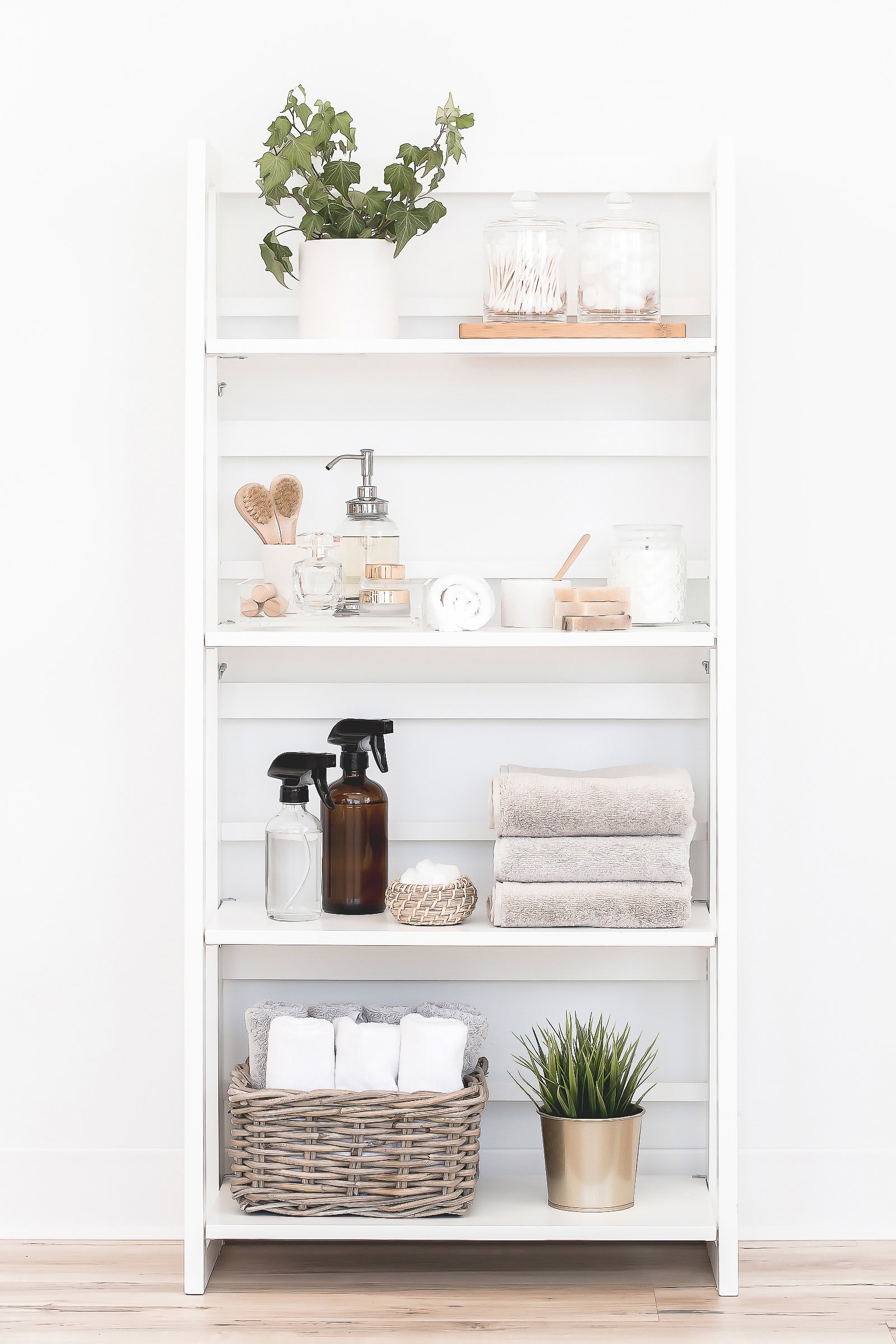
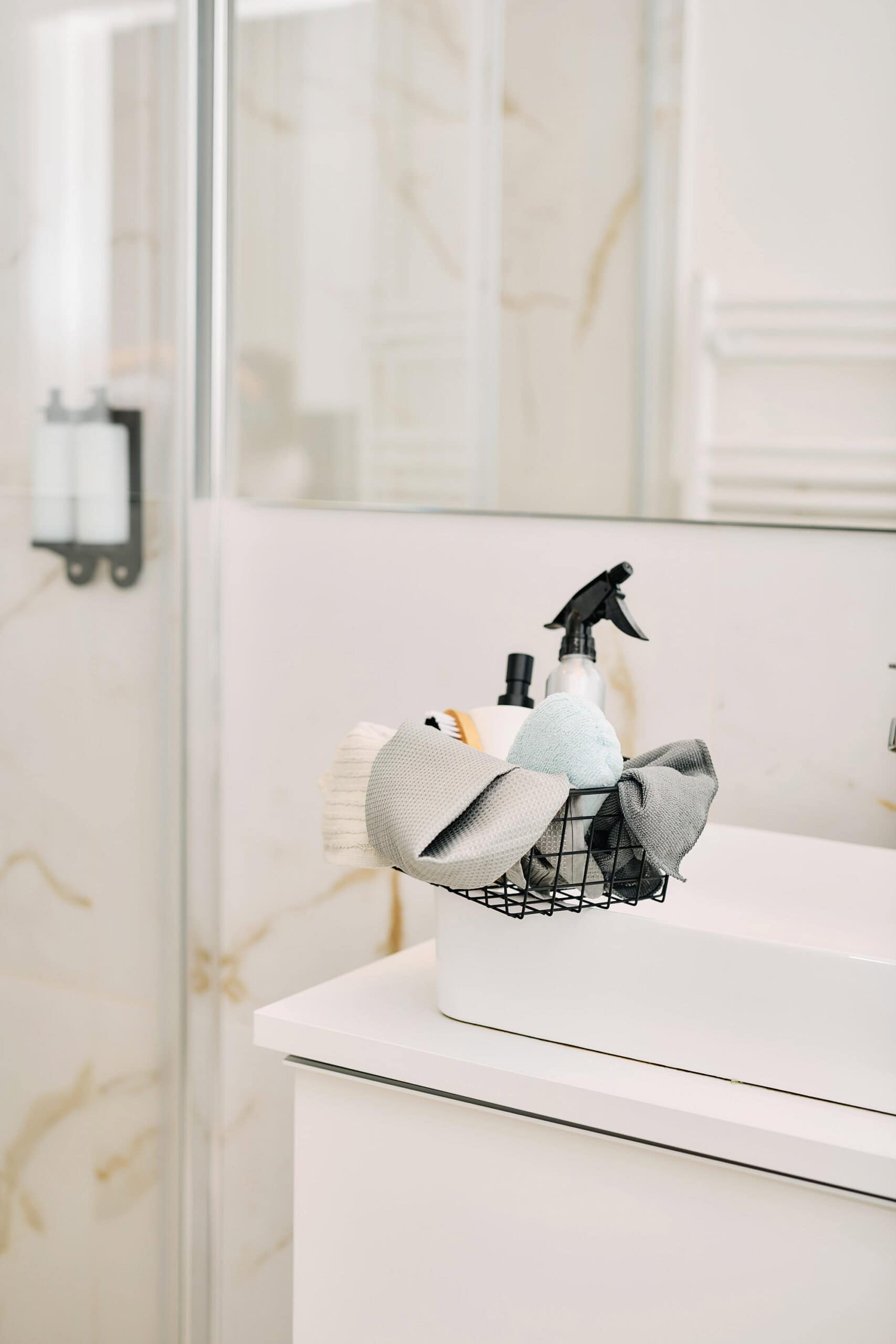
Stock each area of your home with basic cleaning supplies.
For example, keep bathroom cleaners and microfiber cloths in the bathroom and an all-purpose spray in the kitchen.
Consider purchasing a portable caddy for items you need to carry around.
Why It Works
Easy access to supplies means you can clean as you go, saving time and effort.
5. Focus on High-Impact Areas
Prioritize cleaning tasks that make the most significant difference in how your home feels.
How To Do It
Concentrate on high-traffic areas and spaces that guests will likely see, like the living room, kitchen, and bathrooms.
A quick vacuum, wipe-down, or declutter in these areas can instantly make your home feel cleaner.
Why It Works
Focusing on high-impact areas ensures your efforts are noticeable, even if you don’t have time to clean every nook and cranny.
6. Set a Timer and Work in Short Bursts
Cleaning doesn’t have to take all day.
Setting a timer and working in short bursts can make the process feel more manageable.
How to Do It
- Dedicate 15–30 minutes to cleaning each day.
- Use the timer as motivation to clean efficiently without distractions.
Why It Works
Short bursts of cleaning keep you from feeling overwhelmed and allow you to fit more tasks into your busy schedule.
7. Combine Cleaning with Other Activities
Multitasking can make cleaning feel less like a chore.
How to Do It
Listen to a podcast, audiobook, or your favorite playlist while cleaning. Use commercial breaks during your favorite TV show to tidy up.
Why It Works
Combining cleaning with something enjoyable helps you stay productive and makes the task more enjoyable.
8. Involve the Entire Family
Cleaning shouldn’t fall solely on one person.
Getting your family or roommates involved can lighten the load and ensure everyone contributes to a clean home.
How to Do It
Assign age-appropriate tasks to everyone in the household.
Create a chart or checklist so everyone knows their responsibilities. Turn cleaning into a team activity by setting a timer and racing to see who can finish their task first.
Why It Works
Shared responsibility helps foster teamwork and ensures the burden of keeping an entire home clean doesn’t fall on one person.

9. Build Cleaning Habits into Your Routine
Incorporating cleaning tasks into your daily and weekly routines makes them feel less like a chore and more like a natural part of your day.
How to Do It
Make small cleaning tasks part of your existing habits.
For example, wipe down the bathroom sink after brushing your teeth or unload the dishwasher while waiting for your coffee to brew.
Why It Works
When cleaning becomes a habit, it requires less mental effort and feels less overwhelming.
10. Celebrate Your Progress
Cleaning routines don’t have to be all work and no reward. Celebrating your progress can keep you motivated and make the process more enjoyable.
How to Do It
Treat yourself to something small after completing your weekly cleaning routine, like a favorite snack, a relaxing bath, or a movie night.
Take a moment to look around your house and really appreciate your clean, organized space.
Why It Works
Positive reinforcement makes you more likely to stick to your routine and feel good about the efforts you are putting in.
Sample Weekly Cleaning Schedule
Here’s a simple example of a weekly cleaning schedule you can customize to fit your home and lifestyle:
- Monday – Dust all surfaces, including shelves, tables, and baseboards.
- Tuesday – Vacuum and mop floors in your home’s high-traffic areas.
- Wednesday – Deep clean the kitchen, focusing on counters, appliances, and the sink.
- Thursday – Clean the bathrooms, including toilets, sinks, mirrors, and floors.
- Friday – Tidy bedrooms and refresh your linens.
- Saturday – Catch up on any missed tasks or tackle a monthly deep-cleaning project.
- Sunday – Relax and enjoy your clean home!

A weekly cleaning routine doesn’t have to feel overwhelming or rigid.
By tailoring it to your home and lifestyle, breaking tasks into manageable chunks, and focusing on high-impact areas, you can maintain a clean, cozy space with minimal stress.
Remember, consistency is key—small, regular efforts make a big difference over time.
More Ideas For a Cozy Home
.